
Health article
What Are the Warning Signs of High Blood Pressure?
High blood pressure, also known as hypertension, is one of the most common health conditions worldwide. It occurs when the force of blood pushing against the walls of your arteries remains consistently too high.
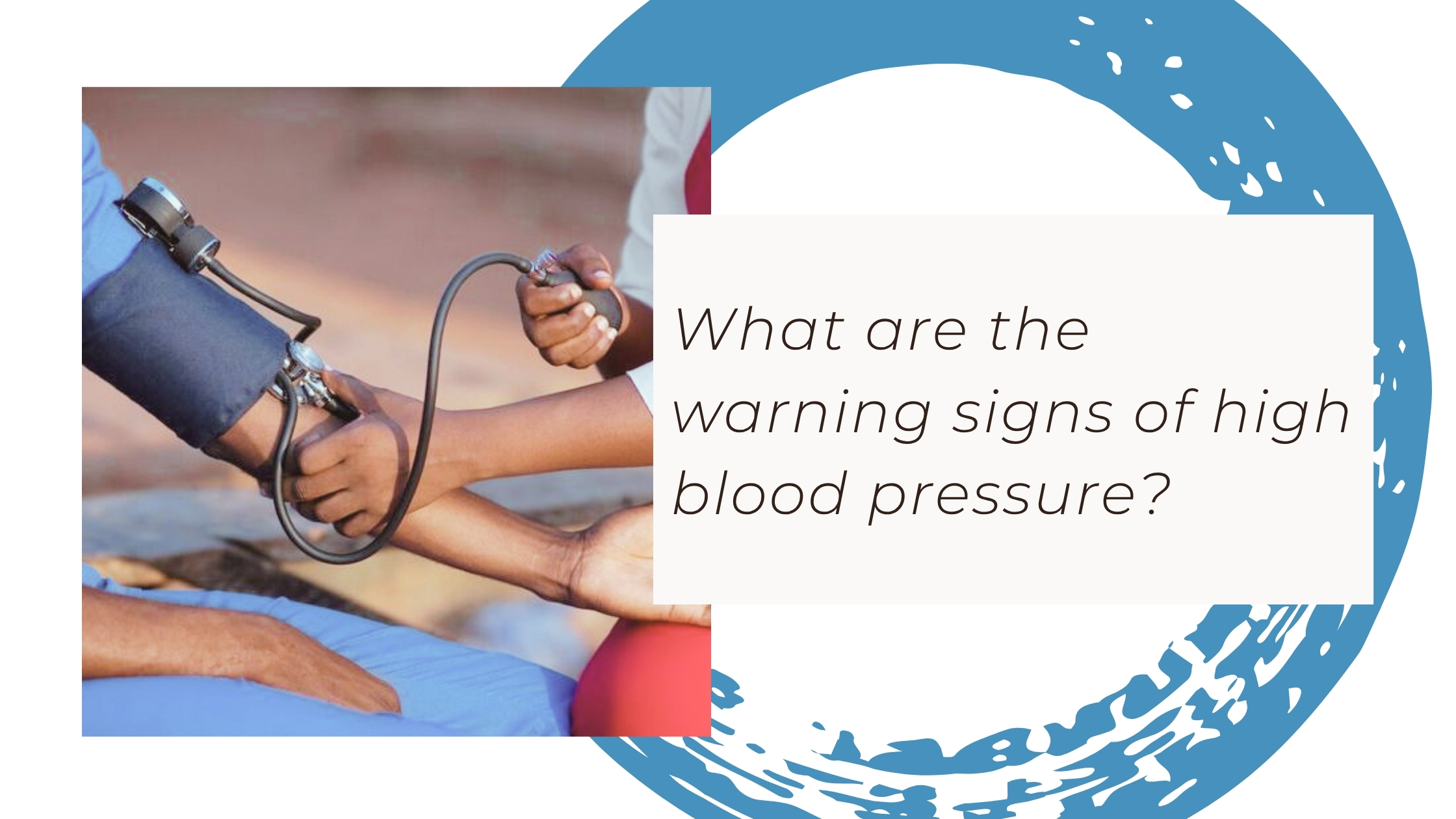
High blood pressure, also known as hypertension, is one of the most common health conditions worldwide. It occurs when the force of blood pushing against the walls of your arteries remains consistently too high.
One of the biggest challenges with hypertension is that it often has no obvious symptoms.
A person can have high blood pressure for years without knowing it. This is why hypertension is sometimes called a “silent killer.”
However, when blood pressure becomes very high, some warning signs may occur and should not be ignored.
What Are the Warning Signs?
1. Severe or persistent headache
A sudden, severe, or unusual headache—particularly when accompanied by other symptoms—can sometimes occur when blood pressure is dangerously high.
However, most ordinary headaches are not caused by hypertension, so checking your blood pressure is more useful than assuming a headache means your blood pressure is high.
2. Dizziness or feeling light-headed
Feeling dizzy, weak, or light-headed can have many causes. If it happens repeatedly, especially alongside other symptoms, it is important to have your blood pressure checked.
3. Blurred or impaired vision
Very high blood pressure can affect the blood vessels supplying the eyes and may cause vision changes. Sudden changes in vision require urgent medical attention.
4. Chest pain
Chest pain should never be ignored. Although it can have many causes, hypertension increases the risk of heart disease and other cardiovascular problems.
If chest pain is severe, persistent, or accompanied by sweating, difficulty breathing, nausea, or pain spreading to the arm, back, neck, or jaw, seek emergency medical care immediately.
5. Shortness of breath
Difficulty breathing can occur when high blood pressure contributes to heart problems. If you experience unexplained or sudden shortness of breath, seek medical attention.
6. Palpitations or an unusually strong heartbeat
Some people may notice a racing, pounding, or irregular heartbeat. Palpitations can have several causes, so medical evaluation is important if they are persistent or associated with chest pain, fainting, or breathlessness.
7. Nosebleeds
Nosebleeds are not usually a reliable sign of high blood pressure. They can occur for many reasons. However, a severe nosebleed accompanied by very high blood pressure should be assessed by a healthcare professional.
The Most Important Warning Sign? Often, There Isn't One.
This is perhaps the most important thing to understand about hypertension.
You can have high blood pressure and feel completely fine.
The only reliable way to know whether your blood pressure is high is to have it measured. Regular blood pressure checks can help identify hypertension early, before it causes serious complications.
Why Is High Blood Pressure Dangerous?
When hypertension remains uncontrolled, it can gradually damage blood vessels and vital organs. Over time, it can increase the risk of:
Heart disease and heart failure
Stroke
Vision problems
Kidney disease
Peripheral artery disease
Cognitive problems and other complications
The good news is that hypertension can often be controlled through lifestyle changes, medication, or a combination of both, depending on the individual's condition.
When Should You Seek Emergency Care?
If you know or suspect that your blood pressure is extremely high and you experience chest pain, severe shortness of breath, weakness or numbness, difficulty speaking, confusion, severe headache, or sudden vision changes, seek emergency medical care immediately.
These symptoms can indicate a serious complication such as a stroke or heart problem.
Don't Wait for Symptoms—Check Your Blood Pressure
High blood pressure doesn't always announce itself. Don't wait until you feel unwell before checking your numbers.
Make blood pressure checks part of your routine, particularly if you have risk factors such as a family history of hypertension, obesity, diabetes, high salt intake, physical inactivity, smoking, or increasing age.
Your blood pressure numbers are important—even when you feel perfectly healthy.
Take Charge of Your Heart Health
At Nisa Premier Hospital, our healthcare professionals can help you check, understand, and manage your blood pressure and overall cardiovascular health.
Don't wait for a warning sign. Know your numbers. Protect your health.
This article is for general health education and does not replace an evaluation by a qualified healthcare professional.
Stay informed
Subscribe for more health insights
Get useful health tips, hospital updates and new articles delivered to your inbox.
We only use your email for Nisa updates and never share it.